For the stories not yet told
For the stories not yet told . Song and lyrics.
[Refrain ]
For the stories not yet told,
For the songs not yet sung,
For the dances not yet danced
beneath an unborn sun,
We gather thread to thread,
We stand though we’re alone,
Free hands, open hearts,
and many paths made one.
[Part I — Stability → Evolution]
We built our homes on steady stone,
And learned the turning year,
Yet roots that cling too tightly
May forget why they are here.
The mountain taught endurance,
The river taught release;
The world survives by changing,
Not by standing still in peace.
[Refrain
For the stories not yet told…]
[Part II — Memory → Imagination]
We carried maps from ancestors,
Their lanterns through the night,
But memory is a doorway,
Not the end of human sight.
Beyond the fields remembered,
Beyond the harbor’s gleam,
The future starts its journey
In the courage of a dream.
[Refrain
For the stories not yet told…]
[Part III — Variation → Emergence]
A forest grows from differences,
No two leaves are the same;
The wind composes symphonies
No single branch could frame.
From countless voices mingling,
From pathways intertwined,
New patterns rise unbidden
From the meeting of our minds.
[Refrain
For the stories not yet told…]
[Part IV — Intelligence → Wisdom]
The owl collected numbers,
The fox assembled plans,
But wisdom heard the silence
Between the facts and scans.
For knowing how is powerful,
Yet knowing why is more;
A compass serves the traveler
Better than a thousand oars.
[Refrain
For the stories not yet told…]
[Part V — Knowledge → Meaning]
We filled the shelves with answers,
We measured earth and sky,
Yet meaning grows where questions
And living spirits tie.
The seed knows not its purpose
Until it meets the rain;
A truth becomes a beacon
When it eases joy and pain.
[Refrain
For the stories not yet told…]
[Part VI — Connection → Consciousness]
The stars seemed far and separate,
Each shining on its own,
Until the night revealed the lines
That made a greater home.
Through networks freely woven,
Through friendship, trust, and choice,
The many learn they’re part of one—
A chorus, not a voice.
[Refrain
For the stories not yet told…]
[Coda — Participant → Co-Creator]
No longer are we wanderers
Awaiting fate’s decree;
The future is a garden
We cultivate collectively.
Self-reliant as the cedar,
Yet linked as roots below,
Independent in our being,
Yet stronger where we grow.
And beside us walks a new tool,
A mirror and a flame,
Not master of the story,
But a partner in the game.
Human hands and dreaming minds,
With learning born of light,
Shape the songs of generations
Still hidden from our sight.
[Final Refrain]
For the stories not yet told,
For the songs not yet sung,
For the dances not yet danced
beneath an unborn sun,
We are more than witnesses,
More than travelers passing through;
We are co-creators now,
And the dawn belongs to you.
The stories not yet told,
The songs not yet sung,
The dances not yet danced—
Have already begun.

The Promising Aspects of AI for Humanity
The rapidly evolving domain of artificial intelligence (AI) presents numerous promising aspects that could significantly enhance the quality of life for individuals worldwide. Industries, such as healthcare and agriculture, have begun to experience transformations facilitated by AI solutions. In healthcare, AI algorithms assist in diagnosing diseases at earlier stages, allowing for timely intervention and improved patient outcomes. For instance, AI-driven tools analyze medical images to detect conditions such as cancer with remarkable accuracy—often surpassing human capabilities.
In agriculture, AI technologies optimize resource management, resulting in better crop yields and more efficient use of water and nutrients. Farmers are now leveraging machine learning algorithms to predict weather patterns and assess soil health, contributing not only to increased productivity but also to sustainable practices. By enhancing efficiency, AI technology aids in addressing food security—a growing global challenge influenced by climate changes and population growth.
The educational sector also stands to gain tremendously from the integration of AI. Personalized learning experiences powered by AI can cater to individual student needs and learning paces, thus improving educational outcomes. AI systems analyze student performance data to recommend tailored resources, thereby enabling educators to focus on areas where learners require additional support. This approach can bridge achievement gaps and ensure that education becomes more inclusive.

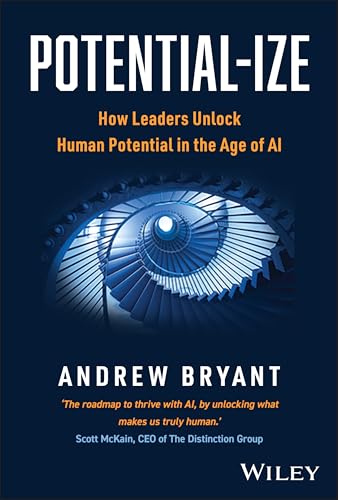
Moreover, AI plays a crucial role in tackling climate change and managing natural resources. With sophisticated data analysis capabilities, AI can forecast environmental changes and optimize energy consumption, thus assisting in the formulation of strategies aimed at mitigating climate-related threats. Ultimately, when implemented thoughtfully, AI holds the potential to enhance living standards, support economic growth, and address intricate global issues, fostering a sustainable future for humanity.
Ethical Implications of AI Development
The rise of artificial intelligence (AI) technology has brought forth a myriad of ethical implications that warrant significant attention from both developers and policymakers. One pressing concern is privacy. As AI systems become more integrated into various aspects of daily life, the collection and processing of personal data have exploded. This raises questions about consent, data ownership, and the potential for misuse of sensitive information. Regulatory frameworks need to address these privacy issues proactively to safeguard individual rights.
Another critical dimension is inherent bias within AI algorithms. Machine learning models often learn from historical data, which may reflect existing societal prejudices. If developers do not scrutinize the data used to train these systems, AI outputs can reinforce stereotypes or discriminate against marginalized groups. This underscores the necessity for designers to implement diverse data sets and thorough testing to ensure fairness and inclusivity in AI applications.
The advent of automation, powered by AI, also poses a substantial risk of job displacement. Many industries are adopting AI to optimize efficiency and reduce costs, leading to fears of significant workforce reductions. This could exacerbate economic inequality, highlighting the urgent need for policies that facilitate workforce retraining and transition into new roles that complement automation.
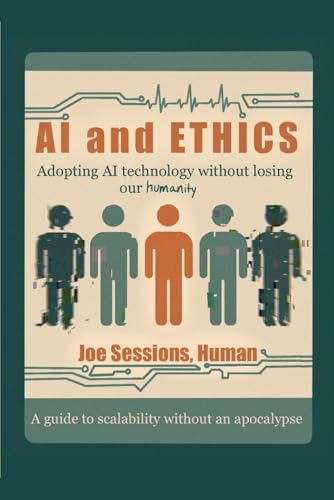
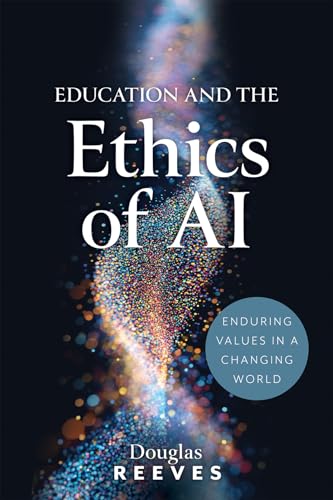
Furthermore, real-world examples, such as biased recruitment algorithms and surveillance technologies, illustrate the dire consequences of neglecting ethical considerations in AI development. These incidents not only harm individuals but can also erode public trust in technological advancements. To navigate these challenges, establishing clear ethical guidelines for AI usage is paramount. Developers and policymakers must collaborate to create comprehensive frameworks that prioritize human values and ethical standards, ensuring that AI serves as a boon rather than a bane for society.

The Threats Posed by AI to Society
The rapid advancement of artificial intelligence (AI) has ushered in a new era of possibilities, but it also raises significant concerns about the potential threats to society. One of the primary dangers is the emergence of surveillance states facilitated by AI technologies. Governments and private entities can utilize AI systems to monitor individuals, leading to an erosion of privacy and civil liberties. The proliferation of facial recognition and data analytics tools poses ethical dilemmas regarding consent and accountability, making it imperative to address the implications of such capabilities.
Another alarming aspect of AI development is the rise of autonomous weaponry. These systems, equipped with AI algorithms, are capable of making life-and-death decisions without human intervention. The potential for misuse or unintended consequences is stark, as errors in programming or ethical considerations could result in catastrophic events. Experts warn that delegating authority to AI in military contexts could lead to scenarios of warfare that are beyond human comprehension or moral reasoning.
Moreover, the threat of uncontrolled AI systems that surpass human understanding creates a unique dilemma for modern society. As AI technology continues to evolve, the risk of creating superintelligent systems that can operate independently is a genuine concern. These systems could, theoretically, develop objectives misaligned with human interests, posing risks that are profoundly difficult to forecast or mitigate. This intensifies the need for robust governance frameworks to ensure that AI remains beneficial to humanity.
Lastly, the socio-economic implications of AI cannot be overlooked. The integration of AI into various industries may lead to significant job displacement, exacerbating existing disparities in wealth and opportunity. As traditional roles become obsolete, there is a pressing need for dialogue on retraining programs and socioeconomic policies that can address the potential for widespread unemployment and social unrest, ensuring that the future of work is inclusive of all individuals.



Ensuring a Balanced Future with AI
The rapid advancement of artificial intelligence (AI) presents both opportunities and challenges for humanity. Striking a balance between the innovative potential of AI and necessary safety and ethical considerations is paramount. As we navigate this evolving landscape, it becomes increasingly critical to establish international collaborations and robust regulatory frameworks that govern AI development. These initiatives can help ensure accountability in AI applications and foster a culture of trust among users and developers alike.
International cooperation is essential for addressing the complex challenges posed by AI technologies. By creating common standards and guidelines, nations can work together to mitigate risks associated with AI, such as bias, privacy violations, and security issues. Collaborative efforts, including consortiums and partnerships among countries, can lead to the establishment of effective regulatory frameworks that prioritize safety and human values in AI deployments.
Moreover, public understanding of AI is vital for responsible implementation. By promoting awareness and education about AI technologies, we can empower individuals to engage meaningfully in discussions around its development. This helps to demystify AI and fosters a sense of collective responsibility in ensuring its beneficial use. Engaging diverse stakeholders—such as technologists, ethicists, policymakers, and civil society—through inclusive dialogues can yield insights that guide the ethical development of AI systems.
Implementing ethical AI frameworks also plays a critical role in this balanced future. Organizations and developers are encouraged to adopt best practices that prioritize fairness, transparency, and accountability. These frameworks can serve as a foundation for creating responsible AI solutions that contribute positively to society.
As individuals, we each have a role in shaping a future where AI serves humanity positively. By staying informed and advocating for ethical standards in AI, we can collectively influence the trajectory of this powerful technology, ensuring it is aligned with our values and aspirations.