
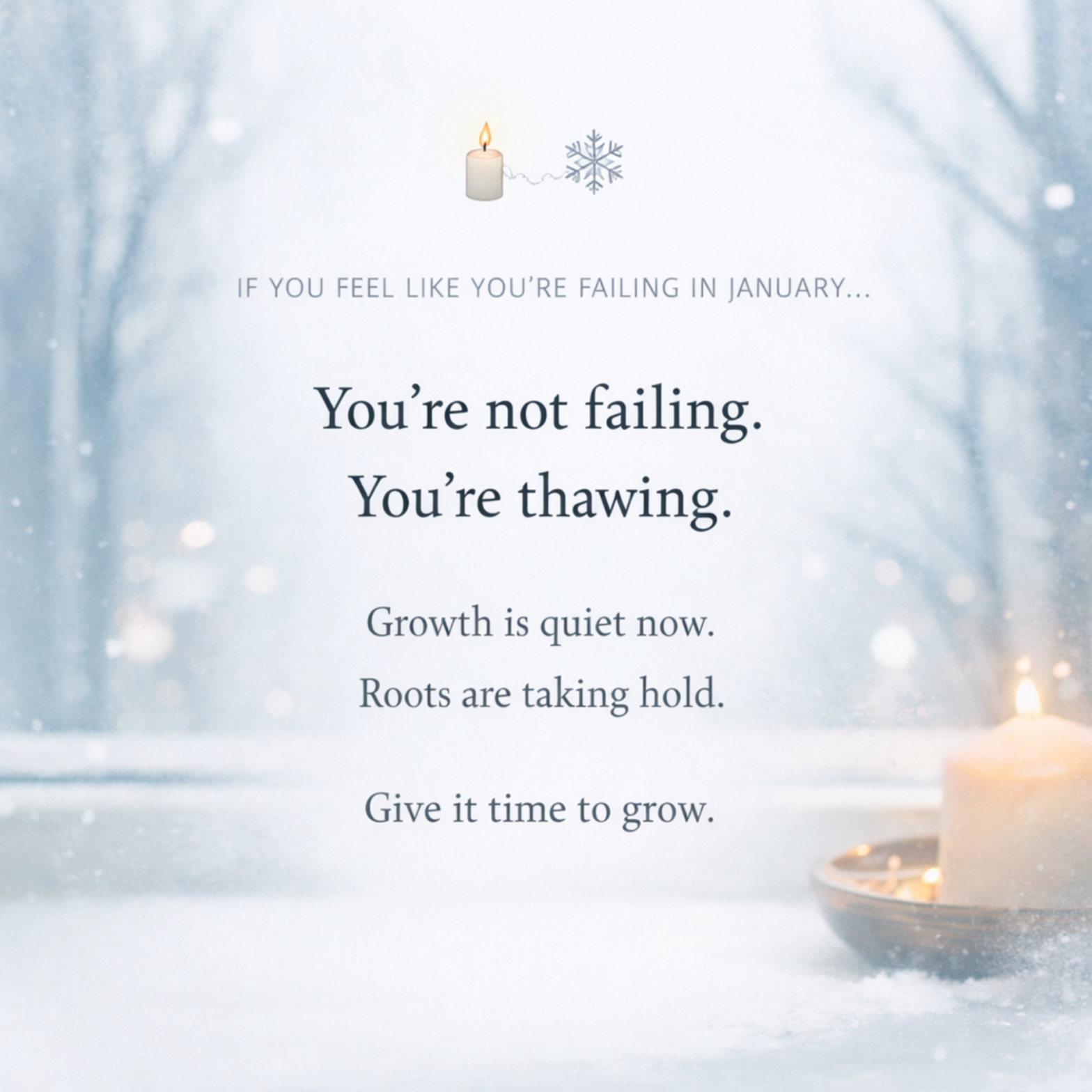
If You Feel Like You’re Failing in January
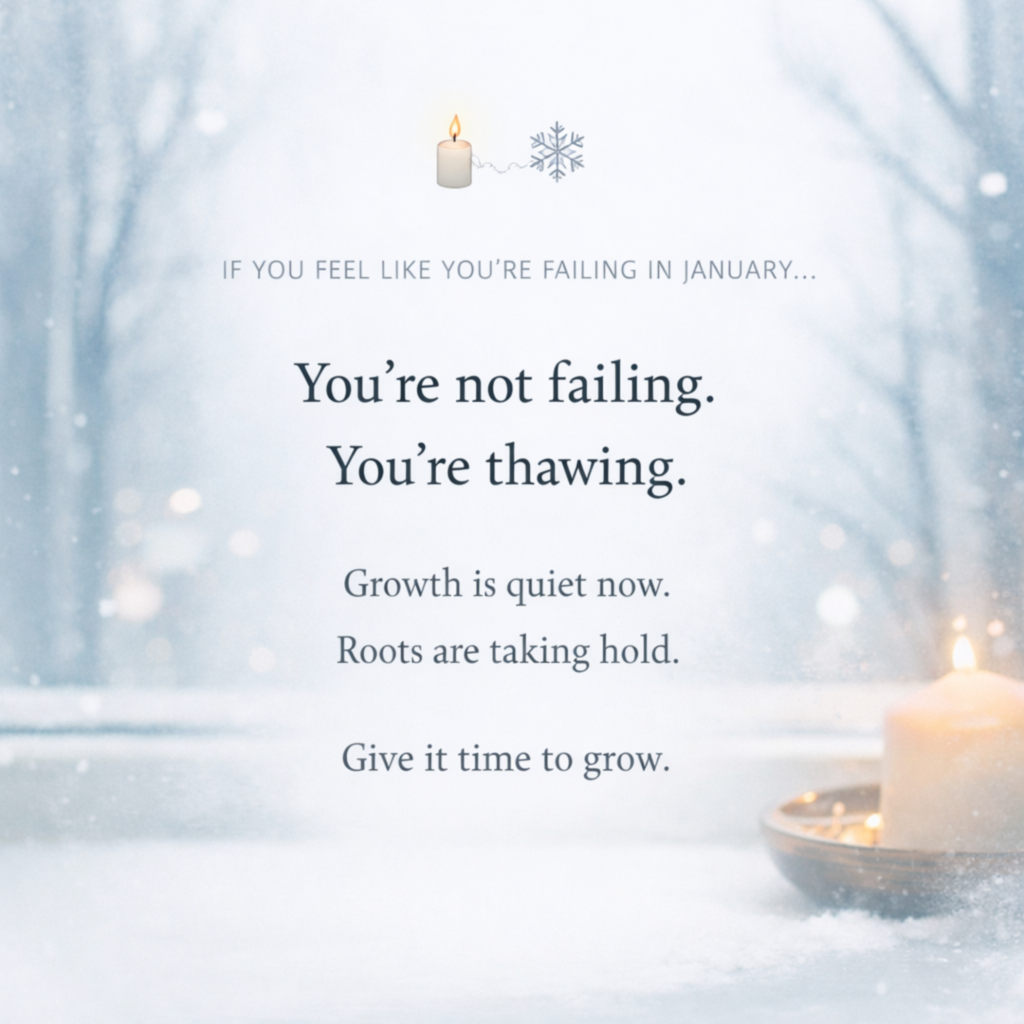
You’re not failing.
You’re thawing.
January isn’t a performance month.
It’s a recovery month.
People are tired.
Attention is softer.
Clicks slow down … not because your work lost value, but because the world is catching its breath.
This is the month where ideas settle, trust is built quietly and foundations form out of sight
Nothing dramatic happens above ground.
Everything important happens below it.
If December was noise,
January is listening.
So keep showing up … gently.
Create without pushing.
Speak without shouting.
Growth hasn’t stopped.
It’s just gone quiet.
And quiet doesn’t mean empty.
It means preparing.
This is a natural sequel. Calm, confident, slightly contrarian without being loud.
What is Winter Fatigue?
Winter fatigue is a phenomenon that many individuals experience during the colder months of the year. Characterized by a general sense of tiredness and lethargy, winter fatigue can significantly affect both mental and physical health. This condition is often attributed to several interconnected factors that arise with the changing season.
Additionally, the colder temperatures can encourage a more sedentary lifestyle. People are less inclined to engage in outdoor activities, which naturally decreases physical activity levels. This decrease can affect overall energy and fitness, further contributing to feelings of fatigue. Moreover, winter often leads to dietary changes, with a tendency towards heavier, carbohydrate-rich meals that can promote a sense of sluggishness.
One major contributing factor to winter fatigue is the shorter daylight hours that accompany the winter season. The reduction in natural light can lead to disruptions in circadian rhythms, which play a crucial role in regulating sleep patterns and energy levels. As the sun sets earlier, individuals may find themselves exposed to less sunlight, which can lead to deficiencies in Vitamin D and lower overall mood and energy.
Winter fatigue can also have psychological implications. Many people experience seasonal affective disorder (SAD), characterized by depressive symptoms that emerge during winter when sunlight is scarce. These feelings of sadness or low motivation can further exacerbate physical fatigue, creating a cycle that is challenging to break.
In summary, winter fatigue encompasses a range of symptoms and causes, including reduced daylight hours, colder weather, lifestyle changes, and dietary shifts. Understanding these factors is essential for recognizing the signs of winter fatigue and exploring effective strategies for overcoming its challenges throughout the colder months.


Symptoms of Winter Fatigue
Winter fatigue, a condition that can affect many individuals as the days grow shorter and temperatures drop, is characterized by a variety of symptoms that may significantly impact daily life. One of the most prevalent symptoms is excessive tiredness. Individuals often report feeling an overwhelming sense of fatigue, regardless of the amount of sleep they received. This pervasive tiredness can hinder productivity and strain relationships, as affected individuals struggle to maintain their usual levels of activity.
Lack of motivation is another common symptom associated with winter fatigue. People may find it increasingly challenging to engage in tasks they once enjoyed, whether they relate to work, hobbies, or social interactions. As the season progresses, this lack of enthusiasm may intensify, making it difficult to establish a routine or accomplish day-to-day responsibilities.
Changes in appetite frequently accompany winter fatigue as well. Some individuals may experience increased cravings for carbohydrates or sugary foods, while others might find themselves uninterested in eating altogether. These fluctuations can lead to weight gain or loss depending on individual responses to the shift in energy levels and mood.
Mood swings are also common during winter months. Fluctuations in emotional well-being can manifest as irritability or feelings of sadness, which might be influenced by decreased exposure to sunlight and the resulting impact on serotonin levels. Additionally, cognitive challenges such as difficulty concentrating can arise, further complicating one’s ability to engage with responsibilities and interactions.
Finally, sleep disturbances often accompany winter fatigue. Individuals may experience insomnia or disrupted sleep patterns, which can perpetuate the cycle of fatigue and present challenges in maintaining a healthy, balanced lifestyle. Recognizing these symptoms is crucial for individuals seeking to understand and address the challenges of winter fatigue effectively.


Causes and Contributing Factors
Winter fatigue is a multifaceted condition influenced by various biological, environmental, and lifestyle factors. As the seasons change, so do the external conditions impacting our bodies. One of the primary biological mechanisms behind winter fatigue is the alteration of our circadian rhythms, which are natural processes regulating the sleep-wake cycle. The longer nights and shorter days can disrupt these rhythms, leading to feelings of fatigue and lethargy.
Additionally, changes in neurotransmitter levels such as melatonin and serotonin play a crucial role in our mood and energy levels during the winter months. Melatonin, which promotes sleep, tends to increase in response to the lack of sunlight, potentially making individuals feel more tired. Conversely, serotonin, which contributes to feelings of well-being and happiness, can decrease due to reduced exposure to natural light. This imbalance can lead to feelings of sadness and fatigue, sometimes manifesting as Seasonal Affective Disorder (SAD).
Environmental factors, particularly the cold climate, also have significant impacts on energy levels. Colder temperatures can lead individuals to retreat indoors where there is less stimuli and potentially less physical activity. A sedentary lifestyle in combination with the winter chill can further exacerbate feelings of fatigue. Coupled with the reduced opportunity for sunlight exposure, the body’s production of vitamin D, which is essential for overall health and energy, may decline during winter.
Moreover, lifestyle choices often shift during colder months, leading to decreased physical activity. Many people opt for indoor activities, which can limit their engagement in exercise that boosts energy and enhances mood. All of these factors collectively contribute to the onset and persistence of winter fatigue, making it essential to understand and address each aspect for effective management.


Tips and Strategies to Combat Winter Fatigue
Winter fatigue can affect many individuals, leading to decreased energy levels and motivation. To combat this seasonal issue effectively, several practical strategies can be implemented.
First, engaging in regular exercise is crucial. Physical activity not only boosts energy levels but also enhances mood through the release of endorphins. Whether it involves indoor workouts, outdoor activities such as hiking, or even taking brisk walks, incorporating movement into your routine can make a significant difference.
Maintaining a balanced diet rich in nutrients plays an instrumental role in combating winter fatigue. Consuming an array of fruits, vegetables, whole grains, and lean proteins ensures your body receives essential vitamins and minerals. Foods rich in Omega-3 fatty acids, such as fish, and those high in Vitamin D, like fortified dairies, can specifically aid in improving mood during the winter months.
Additionally, seeking sunlight exposure whenever possible is imperative. Natural sunlight is a vital source of Vitamin D, which can potentially alleviate feelings of lethargy. Even on overcast days, stepping outside or sitting by a window can help maintain a connection with natural light.
Practicing good sleep hygiene is another critical factor in managing winter fatigue. Establishing a consistent sleep schedule, creating a restful environment, and limiting screen time before bed can enhance sleep quality, leading to greater alertness during the day.
Moreover, incorporating mindfulness practices and relaxation techniques into daily routines can help mitigate stress and promote mental clarity. Activities such as meditation, deep-breathing exercises, or yoga may enhance your overall well-being.
Finally, consider engaging in hobbies or social activities that elevate your mood. Whether it’s reading, cooking, or joining a local club, finding joy in winter activities can counter feelings of fatigue and promote a more positive outlook.

