

Spiration
There is
Aspiration
Inspiration
Expiration
And some think
It is all the same…
Spiration
A word used in theology
That resumes it all
Merriam-Webster
Definition of spiration
- the action of breathing as a creative or life-giving function of the Deity
- the act by or manner in which the Holy Spirit proceeds from the Father or from the Father and the Son
- the relation subsisting by virtue of this procession
- the action of breathing as a physical function of man and animals
The Role of the Holy Spirit in Religion
The Holy Spirit holds a significant place in religious contexts, particularly within Christianity, where it is understood as a vital aspect of the Holy Trinity, which comprises God the Father, God the Son, and God the Holy Spirit. This understanding emphasizes the Holy Spirit as a divine presence that not only guides but also comforts and empowers believers in their spiritual journeys. The recognition of the Holy Spirit as an active participant in the lives of individuals is reflected in various religious texts, where it is often associated with enlightenment, inspiration, and the impartation of spiritual gifts.
Throughout the Bible, the Holy Spirit is depicted as a source of guidance. For instance, in the New Testament, the Holy Spirit is seen bestowing wisdom and understanding upon the apostles, directing their actions and decisions as they spread the message of Christianity. This guidance serves to reassure believers that they are not alone in their faith; rather, they are nurtured through an ongoing, dynamic relationship with the divine. Furthermore, the Holy Spirit is often described as a Comforter, providing solace during times of distress and uncertainty, thereby deepening the believers’ connection to God.
In addition to its comforting role, the Holy Spirit is also recognized for empowering believers for service and ministry. The concept of spiritual gifts, such as healing, prophecy, and teaching, highlights how the Holy Spirit equips individuals to fulfill their divine purpose. This empowerment acts as a catalyst for transformative experiences within faith communities, fostering fellowship and collective worship.
Exploring the role of the Holy Spirit across different denominations reveals a variety of interpretations and practices. Some traditions emphasize the experiential aspect of the Holy Spirit, celebrating spiritual encounters and phenomena, while others focus on its role in theological teachings and moral guidance. Regardless of the differences, the overarching belief in the Holy Spirit’s influence remains a cornerstone of faith, affirming its integral role as a divine presence that enriches the spiritual lives of believers.



Spiritual Gifts and the Holy Spirit
The Holy Spirit is recognized as a vital source of spiritual gifts among believers, which play a crucial role in enhancing individual spirituality and nurturing the well-being of the community. Various scriptures delineate these gifts, illustrating their profound significance in the life of a believer. Among the most notable spiritual gifts attributed to the Holy Spirit are prophecy, healing, and speaking in tongues.
Prophecy serves as a means of divine communication, allowing individuals to convey messages from God to others, thus providing guidance and encouragement. It is often viewed as a tool for edification, helping the community grow in faith. Believers who experience the gift of prophecy can inspire others, fostering a deeper connection to their spirituality and the larger faith community.
Healing is another prominent spiritual gift associated with the Holy Spirit. This gift empowers individuals to pray for and support those in need of physical, emotional, or spiritual healing. Experiences of miraculous healing can strengthen one’s faith and serve as a testament to the active presence of the Holy Spirit within the lives of believers. As individuals utilize the healing gift, it creates a ripple effect, promoting holistic wellness within the church and reinforcing the belief in divine intervention.
Similarly, the gift of speaking in tongues allows the faithful to express their spirituality in unique ways. This practice can facilitate a personal connection to the divine, as it transcends normal communication. It can also enhance communal worship, as individuals come together in shared prayer and spiritual expression.
In summary, the gifts bestowed by the Holy Spirit are essential for nurturing spirituality among individuals and enriching the community. By recognizing and embracing these gifts, believers can embark on fulfilling spiritual journeys that enhance their faith and contribute to collective well-being.
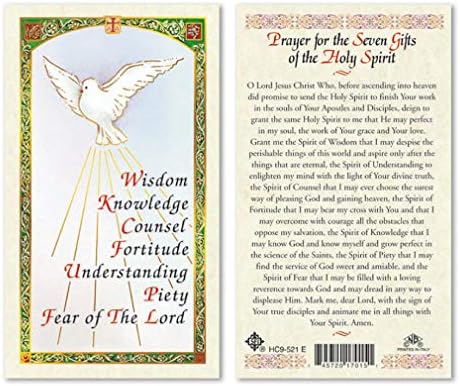


Inspiration Through the Holy Spirit
The concept of divine inspiration is deeply rooted in various spiritual traditions, particularly within Christianity, where the Holy Spirit is often regarded as a source of enlightenment and creative energy. Throughout history, there have been numerous accounts of how individuals, inspired by the Holy Spirit, have produced significant works of art, literature, and theology. Each of these works serves as a testament to the profound influence of this divine presence in the creative process.
Take, for instance, the writings of John Milton, whose epic poem, “Paradise Lost,” has been cited as an embodiment of spiritual inspiration. Many scholars argue that Milton’s articulation of theological themes and human experience reflects a deeper understanding achieved through the influence of the Holy Spirit. Similarly, artists like Michelangelo and Leonardo da Vinci have attributed their masterpieces to the divine guidance they felt in their creative endeavors, suggesting that the Holy Spirit plays a critical role in their artistic expressions.
Beyond the realm of tangible creations, the Holy Spirit’s influence extends to personal growth and transformation. Individuals often report experiences of spiritual inspiration leading to profound insights and changes in perspective. This transformation is not solely limited to artists and writers; it permeates all aspects of life, enabling individuals to perceive the world through a lens of understanding, empathy, and purpose. The Holy Spirit, therefore, emerges as an inner voice that propels individuals towards their best selves, fostering creativity and a sense of higher calling.
In essence, the Holy Spirit acts as both a muse and a catalyst, igniting the creative spark in those who seek to express their spirituality through various mediums. This interplay between divine inspiration and personal development underscores the transformative power of the Holy Spirit, inviting individuals to tap into their innate creativity and deepen their spiritual journey.



Developing Spirituality with the Holy Spirit
To cultivate one’s spirituality through a deeper relationship with the Holy Spirit, several practical approaches can be embraced. Engaging in regular prayer is fundamental to strengthen this connection. Prayer serves as a vital form of communication with the divine, allowing individuals to express their thoughts, emotions, and desires while inviting the Holy Spirit’s guidance. Establishing a specific time each day for prayer can create a consistent opportunity to build this relationship.
Meditation is another effective practice that can deepen awareness of the Holy Spirit’s presence in daily life. By taking moments of stillness and focusing the mind, believers can create an environment conducive to spiritual reflection. Meditation encourages the individual to listen quietly, which often leads to insights and feelings that arise from the Holy Spirit’s influence.
Community worship is also essential in developing spirituality with the Holy Spirit. Participating in group worship, whether through church services, prayer meetings, or spiritual retreats, fosters a shared experience among believers. Such communal gatherings can enrich one’s spiritual journey, as they provide support, encouragement, and collective inspiration, enhancing the awareness of the Holy Spirit’s presence among the community.
Additionally, to enhance awareness in everyday life, believers might find it helpful to engage in acts of kindness and service to others. These actions not only align with the teachings of the Holy Spirit but also heighten one’s sensitivity to divine inspiration throughout their day. Keeping a journal to note moments of perceived guidance or grace can further reinforce the recognition of the Holy Spirit’s work.
By incorporating these practices into daily routines, individuals can foster a more profound relationship with the Holy Spirit, enriching their spiritual lives and enhancing their overall well-being.