Handle with care
There are bubles and bubbles
The first is a typo
The second a word
Its latest meaning?
Fictuous
Internet bubble
Financial bubble
Health bubble
AI bubble
…
The list is long
Its characteristic?
Bursting
Like bursting stock exchange
So yes
Handle with care

Let us care for our planet
Yes to Environmental Stewardship
Environmental stewardship is a fundamental concept that underscores our collective responsibility to protect and enhance the health of our planet and its diverse ecosystems. This notion extends beyond mere conservation; it embodies a proactive approach toward ensuring that our natural resources are managed sustainably for future generations. It recognizes that our well-being is intricately linked to the quality of the environment, making stewardship essential for both ecological and human health.
Human activities have a profound impact on environmental health, often leading to degradation of natural ecosystems. This degradation may manifest as pollution, deforestation, biodiversity loss, and climate change, all of which compromise the planet’s ability to sustain life. Thus, understanding the relationship between our actions and environmental outcomes is crucial. As stewards of the Earth, we must adopt practices that minimize harm and instead promote restoration and regeneration of our natural environments.
In this era marked by increasing environmental challenges, the principles of environmental stewardship become ever more vital. Effective stewardship involves careful management of resources, ensuring that they are used in a manner that is fair, equitable, and sustainable. It advocates for the conservation of natural resources and encourages respect for the ecosystems that provide them. Additionally, it aligns closely with the principles of fair trade, emphasizing not only the environmental considerations but also social justice and economic equity. By integrating these principles, we can foster a more sustainable relationship with our planet, ultimately leading to healthier ecosystems and communities.


What about Our Natural Resources
Natural resources are essential elements provided by our planet, sustaining life and enabling economic development. These resources encompass a wide variety of materials and components, including water, forests, minerals, and biodiversity. Each category plays a vital role in supporting human survival, social cohesion, and economic progress.
Water is perhaps the most precious natural resource, serving as the foundation for all life forms. It is crucial not only for drinking and sanitation but also for agriculture, industrial processes, and energy production. Freshwater scarcity is becoming a pressing issue in many regions, underscoring the importance of sustainable management practices to ensure its availability for future generations.
Forests, another critical natural resource, provide numerous benefits, including timber, fuel, and habitat for countless species. They play a significant role in combating climate change by absorbing carbon dioxide, thus contributing to the ecological balance of our planet. Unfortunately, deforestation driven by agricultural expansion, logging, and urbanization poses severe threats to these ecosystems. Sustainable forest management and reforestation efforts are necessary to preserve their invaluable contributions.
Minerals, ranging from metals to fossil fuels, serve as foundational resources for various industries and technologies. They are vital for infrastructure development, manufacturing, and energy production. However, the extraction and processing of minerals often lead to environmental degradation and social conflicts, emphasizing the need for responsible mining practices.
Biodiversity, encompassing all living organisms and ecosystems, is integral to maintaining ecological balance. It supports ecosystem services, such as pollination, nutrient cycling, and soil formation, which are essential for food production and overall human wellbeing. The loss of biodiversity due to habitat destruction and pollution poses a tremendous risk, highlighting the necessity of conservation efforts and sustainable practices.
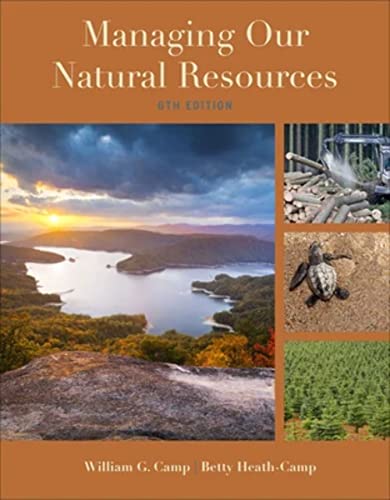
The Impact of Fair Trade on Sustainability
Fair trade is a powerful movement aimed at promoting ethical trading practices and ensuring that producers in developing countries receive fair compensation for their goods. By focusing on creating equitable partnerships, fair trade plays a crucial role in sustainable development. This approach not only supports the livelihoods of farmers and artisans but also emphasizes environmental stewardship, making it a cornerstone of sustainability efforts.
The essence of fair trade lies in its commitment to providing fair wages and safe working conditions, which empower local communities. By opting for fair trade products, consumers contribute to a system that prioritizes human rights and ethical production methods. In turn, this fosters economic stability within these communities. When producers are adequately compensated, they are more likely to invest in sustainable practices, such as organic farming techniques, which protect natural resources and promote biodiversity.
Additionally, fair trade practices often include environmental standards that require producers to engage in sustainable agriculture. These standards help reduce the carbon footprint of their products while also minimizing the use of harmful chemicals and pesticides. Consequently, fair trade not only benefits the people involved but also addresses pressing environmental concerns, leading to a positive impact on global sustainability.
Furthermore, fair trade empowers consumers by spreading awareness about responsible consumption. As more consumers choose ethically sourced products, businesses are encouraged to adopt fair trade practices. This shift creates a ripple effect, influencing more companies to consider their sourcing decisions and overall impact on the environment. Ultimately, the principles of fair trade align seamlessly with the goals of sustainability, as it promotes both social equity and ecological balance.
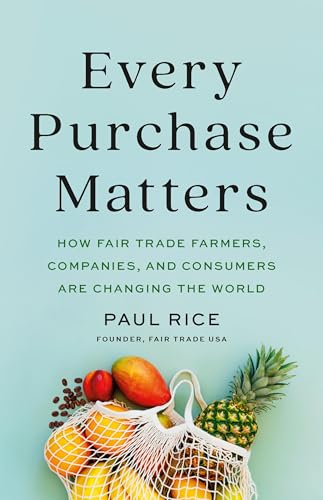


Call to Action? Sustainable Practices for Individuals
In an era where environmental concerns are at the forefront of societal issues, individuals play a crucial role in promoting sustainability. Adopting sustainable practices in daily life can significantly contribute to environmental conservation and the responsible use of natural resources. Here are several actionable steps that every individual can take to make a meaningful impact.
Reducing waste is a fundamental practice. Simple strategies include utilizing reusable bags, bottles, and containers to minimize single-use plastics. Composting organic waste not only reduces landfill contributions but also enriches soil quality. Every small effort counts, and when multiplied across communities, these actions can lead to substantial reductions in waste.
Supporting sustainable brands is another effective way to contribute to environmental stewardship. Research companies’ practices before making purchases, opting for those that prioritize ethical sourcing of materials and fair labor practices. By choosing to support businesses committed to sustainability, individuals send a clear message that there is demand for responsible practices, encouraging even more companies to follow suit.
Advocating for environmental policies is also essential in the broader context of sustainability. Engaging with local representatives, participating in community clean-up events, or supporting legislation aimed at protecting natural resources can empower individuals to effect change. Education on environmental issues is key; sharing knowledge with others can foster a greater collective awareness about the importance of protecting our planet.
By integrating these sustainable practices into everyday life, individuals can contribute to a larger movement advocating for the health of our planet. The responsibility to care for our environment is shared; by taking proactive steps, we can collectively work towards a more sustainable future for generations to come.