

Bouquet for moms
Mothers
Young and old
Like to receive flowers
From time to time
credits
Images: mlaure
Music : extra jolly by mark motherbaugh
Video made with imovie

The Historical Roots of Mother’s Day
The celebration of motherhood has ancient origins, deeply rooted in the traditions of various civilizations that honored maternal figures and mother goddesses. The earliest traces can be found in the ancient Greek society, where they revered Rhea, the mother of the gods, through festivals that celebrated fertility and motherhood. Similarly, the Romans paid homage to Cybele, their mother goddess, with an annual festival that recognized the significance of maternal figures in society.
As we delve further into early civilizations, we observe that many cultures celebrated motherhood in unique ways. For instance, the Hindu festival of Durga Puja honors the goddess Durga, symbolizing the strength and importance of mothers. In various tribes across Africa and indigenous cultures around the world, rites and festivals were organized to recognize and celebrate maternal roles, thereby cementing the role of mothers in familial and societal structures.
The roots of modern Mother’s Day can be traced to early Christian practices as well. During the 16th century, the concept of Mothering Sunday emerged in England, where individuals would return to their “mother” church for a special service. This tradition evolved into a day where children would honor their mothers by offering gifts and extra attention. Over the centuries, Mothering Sunday became intertwined with the celebration of mothers themselves.
In the 19th century, the movement for a national Mother’s Day gained momentum in the United States, largely credited to the efforts of figures like Anna Jarvis, who campaigned for a dedicated day to honor mothers’ contributions to society. Her determination culminated in the official recognition of Mother’s Day in 1914, establishing a modern tradition that encourages the appreciation of motherhood.
Anna Jarvis, The Woman Behind Mother’s Day
Anna Jarvis, born on May 1, 1864, in Appalachian West Virginia, is widely recognized as the driving force behind the establishment of Mother’s Day as a national holiday in the United States. From an early age, Jarvis was influenced by her mother, Ann Reeves Jarvis, who was a dedicated community worker and activist. Ann’s efforts in promoting health and supporting mothers laid the groundwork for Anna’s vision of commemorating maternal figures and their immense sacrifices.
Jarvis’ commitment to honoring mothers gained momentum after her mother passed away in 1905. This personal loss ignited her desire to create a day dedicated to mothers and their contributions to society. Her lobbying began earnestly when she organized the first official Mother’s Day celebration on May 10, 1908, at St. Andrew’s Methodist Church in Grafton, West Virginia. The event featured a memorial for her mother and aimed to recognize not only her mother but all mothers who have shaped the lives of their children.
Motivated by her belief that motherhood deserves acknowledgment, Jarvis tirelessly campaigned for the recognition of Mother’s Day as a national holiday. She penned letters to congressmen, wrote articles, and mobilized public support, emphasizing that the day was intended to honor mothers for their sacrifices and contributions to their families and society. By 1914, her efforts bore fruit when President Woodrow Wilson signed a proclamation designating the second Sunday in May as Mother’s Day.
Although Jarvis initially envisioned a day focused on personal, heartfelt recognition rather than commercialism, she later expressed disappointment over the holiday’s commercialization. Nonetheless, her passion for honoring mothers has left a lasting legacy, making Anna Jarvis an unforgettable figure in the history of Mother’s Day and its significance in American culture.
Transformation Through Time: Evolution of Mother’s Day Celebrations
The celebration of Mother’s Day has undergone significant transformations since its origins, reflecting broader cultural shifts and societal changes. Initially rooted in ancient festivals, such as the Greek spring celebration dedicated to Rhea, the mother of the gods, the concept of honoring mothers has evolved considerably. Early Christian traditions also recognized a day for mothers, known as Mothering Sunday, which took place on the fourth Sunday of Lent. This day allowed domestic workers to visit their families, symbolizing the connection between maternal figures and their children.
As time progressed into the 20th century, specifically after the establishment of Mother’s Day in the United States by Anna Jarvis in 1908, the celebration began to take on more commercial characteristics. This shift was marked by the mass production of greeting cards, floral arrangements, and various gifts intended to honor mothers. Retailers quickly recognized the profit potential of Mother’s Day, leading to extensive marketing efforts that promoted consumer spending. The commercialization aspect of the holiday has, over the years, provoked discussions on the authenticity of the celebrations and the original intentions behind them.
In contemporary society, Mother’s Day is celebrated worldwide with various customs and rituals, often reflecting individual cultures’ interpretations. Modern practices frequently involve family gatherings, offering gifts, and expressing gratitude towards mothers, embodying love and appreciation. These expressions of affection serve to reinforce familial bonds while providing social and cultural significance. The integration of customs from different backgrounds demonstrates how Mother’s Day has transformed into a multifaceted celebration, balancing traditional recognition of motherhood with new social practices. Understanding this evolution allows us to appreciate the nuanced ways in which Mother’s Day continues to influence both individual families and communities as a whole.

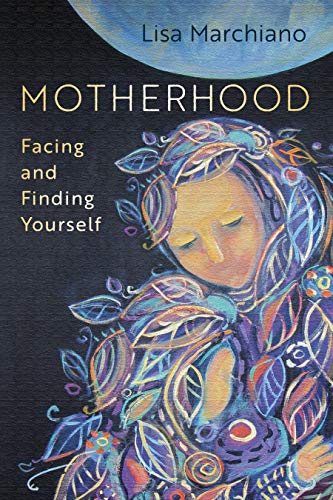

Celebrating Motherhood Around the World
Mother’s Day, honored globally, has unique customs that reflect the cultural values and beliefs of different societies. In the United States, the second Sunday in May is dedicated to mothers, where families present gifts, cards, and flowers as tokens of appreciation, showcasing the deep respect for motherhood. Simultaneously, in the United Kingdom, Mothering Sunday, observed on the fourth Sunday of Lent, has its roots in the Christian tradition. It is a day for family reunions and usually includes special church services, emphasizing the spiritual connection to maternal figures.
In many Hispanic countries, such as Mexico, Mother’s Day is observed on May 10th, marked by joyous celebrations filled with music, dance, and feasting. Families come together to honor their mothers with heartfelt serenades, traditional foods, and gatherings that symbolize unity and affection. This reflects not only the love for mothers but also the importance of familial bonds in these cultures.
On the other hand, in countries like India, Mother’s Day is a more recent celebration. Although traditional respect for mothers is inherent in the culture, the observance of a specific day for mothers aligns more closely with global trends rather than historical customs. While the format might differ, the underlying themes of love, gratitude, and respect remain omnipresent.
Across Asia, countries such as Thailand celebrate Mother’s Day on August 12, coinciding with the birthday of Queen Sirikit, who is revered as the Mother of all Thais. This day integrates national pride with respect for motherhood, indicating how cultural context shapes the celebration of mothers.
In conclusion, while each country boasts its unique celebrations for Mother’s Day, the common themes of love and appreciation unite these diverse practices, showcasing the universal respect and admiration for mothers worldwide.
Shop tip


Thank you for shares and comments! 😀🎉
archived poems | album of verses | about Robin | about mlaure

