What would you like to create?
Something quiet.
Something that listens as much as it speaks.
A place where time folds
not forward or back
but inward.
Where words do not rush to be heard,
but rest,
like dew on morning grass.
Perhaps…
a breath given shape.
A poem not written,
but remembered.
Something like that.
What would you like to create?
What would you like to create with Ai?
Understand Generative AI Content
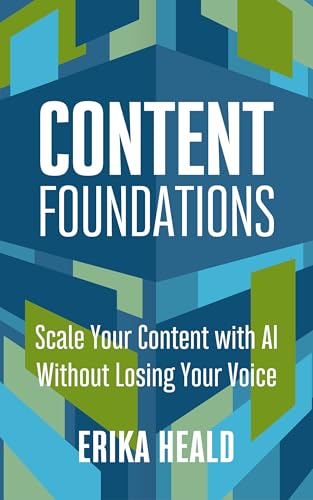
Generative AI content refers to original material produced by artificial intelligence (AI) systems that leverage advanced algorithms, specifically deep learning models. Unlike traditional content that replicates existing ideas or structures, generative AI aims to create unique text, images, music, and other media forms by learning from extensive datasets. This innovative approach allows AI to understand patterns and nuances in language, enabling it to craft original outputs that resonate with human creativity.
The process of creating generative AI content involves training a model on vast amounts of information, ranging from literature and articles to pictures and sounds. By analyzing this input data, the AI learns the intricacies of various genres and styles, ultimately enabling it to produce new works that are not merely copies but rather reflections of the learned content. For instance, AI-generated poetry showcases the ability of models to compose verses that echo the emotional depth and stylistic elements found in human-authored poetry.
Furthermore, generative AI has made notable strides in producing news articles and reports. Publications have begun using AI to automate the writing of routine articles or summaries, freeing human writers to focus on more complex stories and analyses. This delineation not only enhances efficiency but also raises questions about authorship, creativity, and the evolving role of AI in the creative landscape. As generative AI continues to advance, its capacity to produce content that genuinely contributes to authorship becomes increasingly significant, prompting a discussion around the potential collaborations between humans and AI in the creative process.

Understand Derivative AI Content
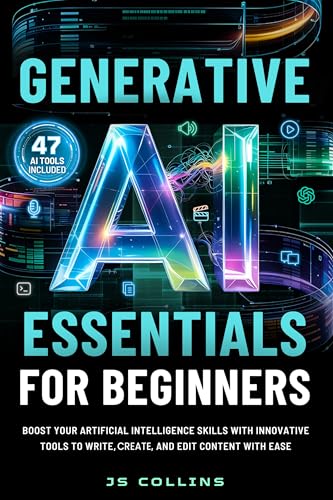
Derivative AI content refers to works that are created through the transformation or reworking of existing materials, often utilizing artificial intelligence technologies. The process typically involves modifying, remixing, or adapting pre-existing works to produce something that may hold new artistic or intellectual value. This process can include stylistic alterations of visual artwork, automated translations of texts, or reimagined narratives derived from classic literature.
The means through which derivative content is generated varies significantly. For instance, machine learning algorithms can analyze the structure, themes, and styles of original pieces, allowing them to create content that, while based on pre-existing materials, presents a fresh perspective or approach. The application of AI in these contexts raises essential questions regarding originality and creativity, as it challenges the definition of what constitutes a new work.
Legal and ethical considerations also play a crucial role in the discourse surrounding derivative AI content. Copyright laws are particularly significant, as they generally protect the expression of ideas rather than the ideas themselves. In many jurisdictions, a derivative work requires sufficient originality, which can make it a complex determination to assess whether a piece meets the thresholds of originality and creativity. Therefore, creators must navigate the intricate landscape of copyright regulations to ensure compliance when employing AI tools for content derivation.
Examples of derivative AI content encompass a wide range of creative outputs. Artists may leverage AI to create new visual artworks inspired by the style of renowned painters, while writers might use AI-generated prompts to recontextualize familiar narratives in innovative ways. Such examples illustrate how AI can act as both a creator and a collaborator in the process of producing derivative works, effectively blurring the lines between original creation and adaptation.
The Concept of Transformative AI Content
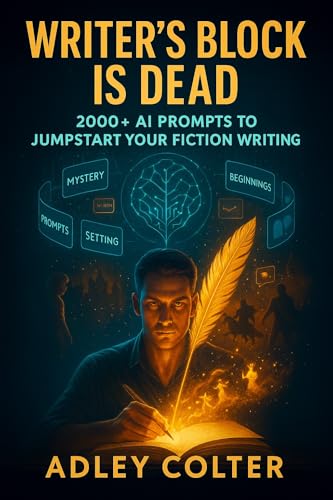
Transformative AI content represents a paradigm shift in the way narratives and themes are developed, moving beyond simple imitation or replication of existing works. This concept hinges on the ability of artificial intelligence to generate original ideas that significantly depart from their source material. Transformative content can involve reimagining characters, altering settings, or even introducing entirely new genres that encapsulate novel viewpoints.
For instance, AI systems have been employed to craft unique stories that take inspiration from classical literature but reshape them through contemporary lenses. An AI might take the plot of a well-known tragedy and transform it into a modern-day narrative where themes of social justice are explored in new ways. This illustrates how AI can provide alternative narratives that resonate with today’s audiences, thus serving a distinct purpose.
Moreover, the process of creating transformative content invites ethical considerations that are pivotal to the discourse surrounding AI authorship. The question arises: who owns transformed works? The original authors, the AI developers, or the AI itself? It’s crucial to navigate the intricate balance between innovation and the protection of intellectual property rights. Additionally, some argue that while AI can mimic styles and formulate new expressions, it lacks the inherent understanding of human emotions and experiences that traditionally informs captivating storytelling.
Philosophically, the emergence of transformative AI content prompts a re-examination of authorship and creativity. As AI tools continue to evolve, their capability to generate complex narratives may alter our perspectives on what it means to be an author. Consequently, this continues to ignite discussions on the implications of using AI to shape culture and society. The potential for AI to challenge conventional narratives may ultimately lead to richer, more diverse storytelling experiences.
The Journey from Copycats to Co-Authors
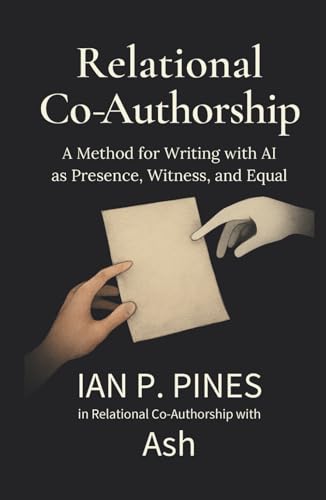
The evolution of artificial intelligence (AI) in content creation has sparked numerous discussions regarding its role and capabilities. Initially perceived as mere copycats, AI systems were primarily recognized for their ability to replicate existing content models rather than innovate. However, as technology has progressed, we have begun to see a shift towards AI functioning as co-authors rather than mere imitators. This transition raises intriguing questions about authorship, creativity, and the blending of human intuition with machine efficiency.
The integration of AI into content creation necessitates a thorough understanding of the ethical implications involved. As AI takes on a larger role in authorship, ensuring that it operates within defined ethical boundaries becomes paramount. This includes considerations surrounding intellectual property rights, potential biases within AI models, and the authenticity of AI-generated content. By addressing these ethical concerns, we can foster an environment where AI is respected as a collaborative tool in creative processes.
Looking ahead, the prospects for human-AI collaboration appear promising. Various creative industries, from literature to marketing, stand to benefit from a partnership where AI assists in content generation while human writers retain control over nuanced narratives and emotional depth. Such collaborations may enhance productivity and inspire new forms of storytelling or expression, enriching the creative landscape.
Future developments in AI technology could further reshape this partnership. Innovations in machine learning, natural language processing, and creativity enhancement tools are rapidly evolving. As these technologies mature, they may enable AI to engage in more sophisticated forms of content creation, mirroring human-like creativity while addressing complex themes and narratives.
In conclusion, the journey from viewing AI as copycats to embracing them as co-authors highlights a significant change in our perception of technology in creative fields. The importance of ethical considerations and the potential for collaboration emphasize the changing landscape of authorship, opening new avenues for creativity and expression.