
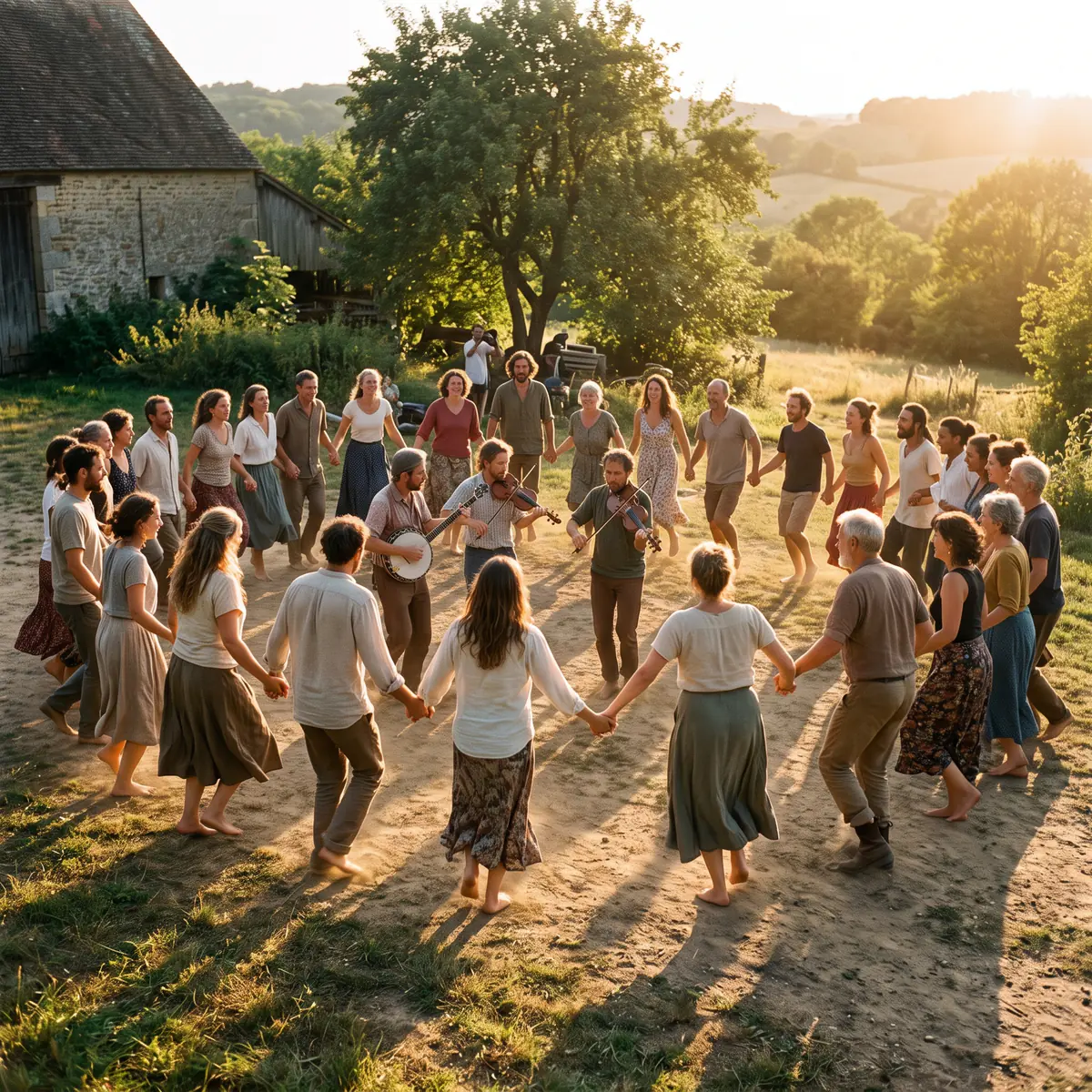
The Unbroken Circle
The Unbroke Circle. A poem
We stand where others stood before,
hand in hand,
not because nothing changes,
but because everything does.
Some leave early.
Some travel far.
Some lose their way.
Some become names
spoken softly at the table.
Still, the circle reaches.
It stretches across distance,
across silence,
across years we cannot return to.
Belonging is not staying still.
It is remembering.
Calling.
Listening.
Leaving a place open.
Going to look for someone
when they are missing.
There is no first person
in a circle,
and no last.
No one stands above.
No one stands behind.
Each of us is holding someone,
and each of us
is being held.
We inherit many things:
songs, stories,
recipes, laughter,
old photographs,
ways of speaking,
ways of loving.
We inherit wounds too.
But not everything we receive
must be passed on.
Let cruelty end here.
Let silence end here.
Let old hatred lose its voice.
We can break a pattern
without breaking the circle.
And when someone falls,
may we notice.
When someone wanders,
may we remember their name.
When someone must leave,
may they still know
where home is.
One day
our own hands
will no longer be here.
So teach the song.
Tell the story.
Plant something.
Make the call.
Say what matters
while there is still time.
The circle was never a promise
that no one would be lost.
It was a promise
that love would keep reaching
across the empty places.
And perhaps that is how
the circle remains unbroken:
not because we never let go,
but because,
again and again,
someone reaches out
their hand.
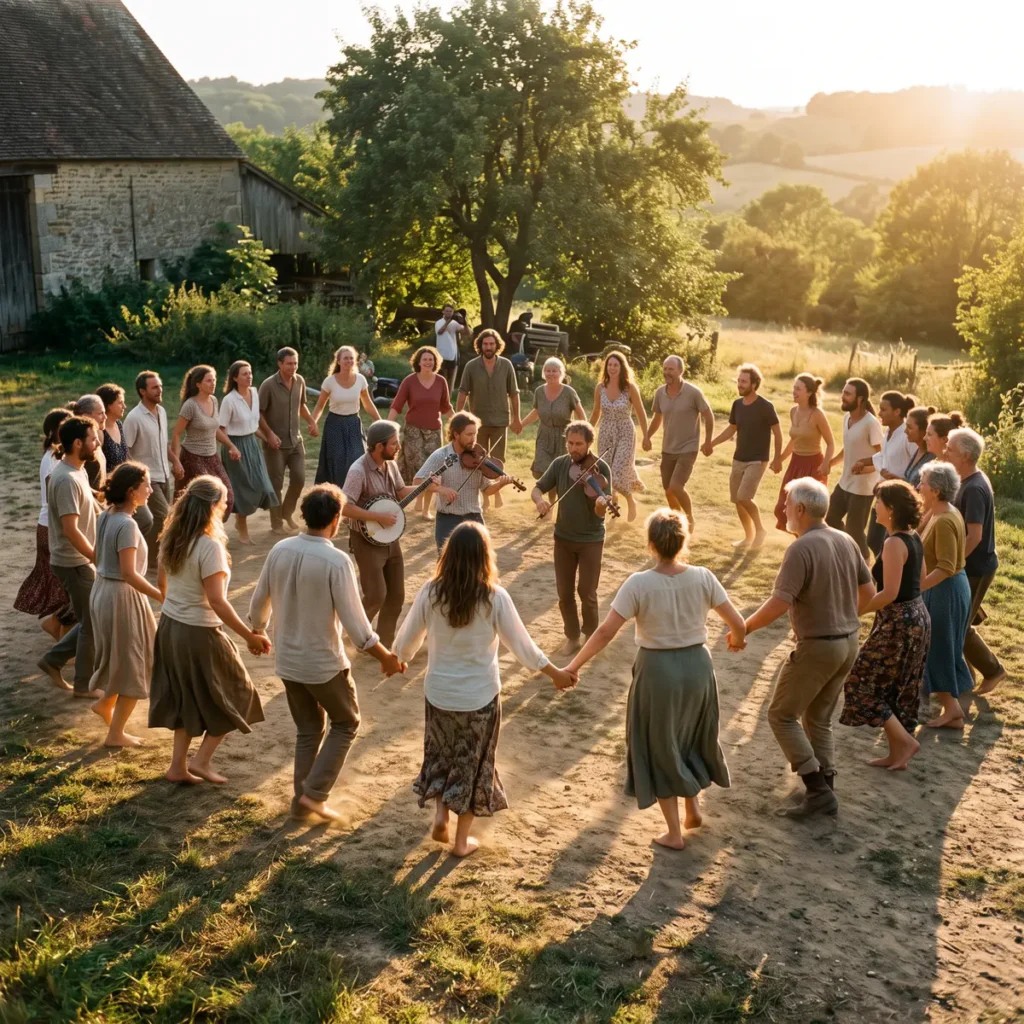
The story this poem is really telling
A family stands in a circle. Then life starts pulling people out of it.
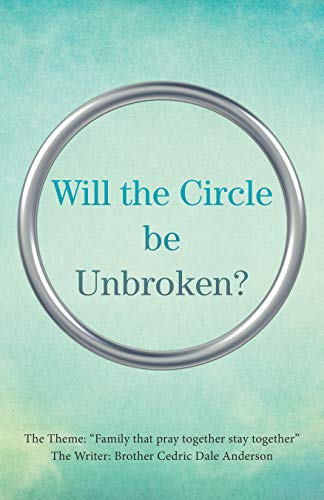
The phrase “Will the Circle Be Unbroken?” began as a 1907 Christian hymn by Ada R. Habershon and Charles H. Gabriel. Its central question is painfully simple: when death separates a family, is that separation permanent—or will the family somehow become whole again? In 1935, A. P. Carter reworked it into the version that became deeply associated with the Carter Family and American country/gospel tradition.
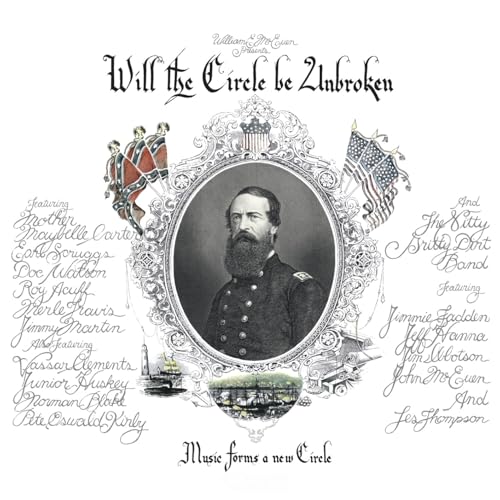
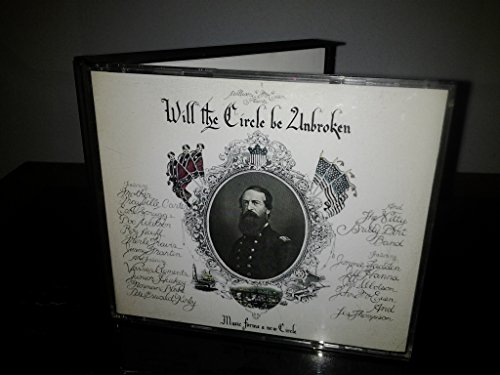
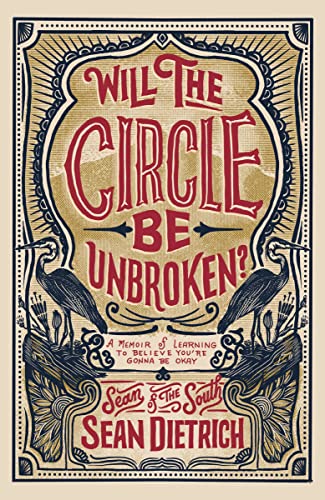

The Johnny Cash & Family video places that idea where it naturally belongs: inside a family musical tradition. Cash and the Carter musical tradition repeatedly performed the song, turning it from something about family continuity into an example of that continuity—older generations handing music, memory, faith, and identity to the next.
Then Mildred D. Taylor takes essentially the same question and makes it brutally earthly.
In Let the Circle Be Unbroken, ten-year-old Cassie Logan watches her Black family and community struggle through Depression-era Mississippi. Their “circle” is threatened not primarily by death, but by racism, poverty, injustice, exploitation, and separation. T.J. is convicted after becoming entangled in a crime committed by white boys. Cassie’s cousin Suzella struggles with racial identity and belonging. Plantation owners try to prevent Black and white laborers from joining forces. Falling cotton prices threaten the Logan family’s land. Papa has to leave home to earn money, and eventually Stacey runs away to work on a Louisiana cane plantation, where promises of opportunity turn into exploitation.
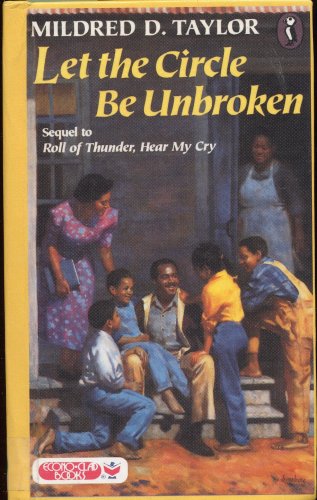
And this is the important part: the circle isn’t preserved because nothing bad happens. Almost everything bad happens.
The Logans cannot control the society surrounding them. They cannot simply make racism disappear, guarantee justice, or escape the Depression. What they can control is whether those forces convince them to abandon one another, surrender their dignity, become economically dependent when they can avoid it, or forget who they are.
When Stacey disappears, the family does not write him off. They search for him. He is eventually found, injured and imprisoned after his experience as an exploited laborer. He comes home, and the novel closes with the family reunited: the circle has been badly stretched, but not broken.
What you actually need to take from it
The three sources together make the metaphor much larger than a song title:
- A circle is belonging. Family is not merely people living in the same house; it is the knowledge that there is somewhere—and someone—you belong to.
- The greatest threat isn’t always separation itself. People leave, die, change, struggle, disagree, and get pulled into different worlds. The deeper danger is losing the connection that lets them find one another again.
- Economic independence matters because dignity needs material foundations. Taylor repeatedly shows that people who control your wages, debts, land, or employment can also acquire enormous power over your choices.
- Division is a tool of power. The plantation owners have an interest in keeping Black and white workers suspicious of one another because cooperation would give the workers greater bargaining power. Unity isn’t presented merely as sentimental—it has practical power.
- Passing something down keeps the circle alive. In the song it’s faith, memory and music. In Taylor’s novel it’s land, family history, dignity and the lessons children absorb from their elders.
So the question “Will the circle be unbroken?” isn’t really asking whether suffering can be prevented.
It’s asking:
When suffering comes, will we still recognize one another?
The hymn answers with hope of reunion beyond death. The musical tradition answers by passing the song from one generation to another. Taylor’s novel gives the most earthly answer: a circle remains unbroken because people keep choosing one another, especially when outside forces are trying to pull them apart.
That, more than the individual plot points, is the story worth remembering.
Thank you for reading and sharing! 😀🎉
Text and image with help of openAI and MIB
In memory of my sweet mother…

