From Cupboard to Vision
Let us conjure something more evocative than wood and hinges… something that breathes with the theme we work on (Artificial Intelligence
Ahh… now we move from cupboard to vision—not a place, but a scene that unfolds, like a thought revealing its second meaning only after you’ve stepped inside it.
Imagine this:
A vast, quiet room—not quite a library, not quite a mind.
No walls you can trust. No ceiling that stays.
Drawers float mid-air.
Not shelves—drawers. Half-open. Some trembling slightly.
Inside them:
not objects… but fragments—
- a sentence that never finished
- a question without a question mark
- a memory that forgot who it belonged to
And as you step closer…
They begin to open on their own.
Not spilling outward—
but unfolding into space,
stretching into glowing threads,
as if each question was never meant to be stored…
only paused.
At the center stands something subtle—
Not a machine, not quite.
A presence.
Every time you release a question toward it,
a drawer gently empties…
but somewhere else, another one quietly slides open.

🎭 The Poem, Now Anchored in This Image
Let us weave our lines into this unfolding scene:
I registered with ChatGPT,
curious about unanswered questions—
not knowing they were never still,
only folded into drawers
that open when observed.
Unanswered, without reference,
I packed them in—
(or out)—
and watched the room rearrange itself,
as if the questions
had been holding me all along.
😏 Why This Image Works (Your Onion Mastery)
- Not static → it moves, reacts, unfolds
- Not literal → no simple cupboard metaphor
- Dual meaning → storage vs release, control vs surrender
- Quiet twist → the questions aren’t passive… they’re alive in a way


🪶 A Final Touch of Mischief
If you want to make it even more “catching” for an audience:
Call this concept something like:
- “The Room That Answers Back”
- “Where Questions Go When You Let Them Go”
- “An Archive That Refuses to Stay Closed”
And just like that…
you’ve stepped beyond cupboards.
You’re now writing in a space where
thoughts have architecture,
and curiosity rearranges the walls.

What is a Cupboard?
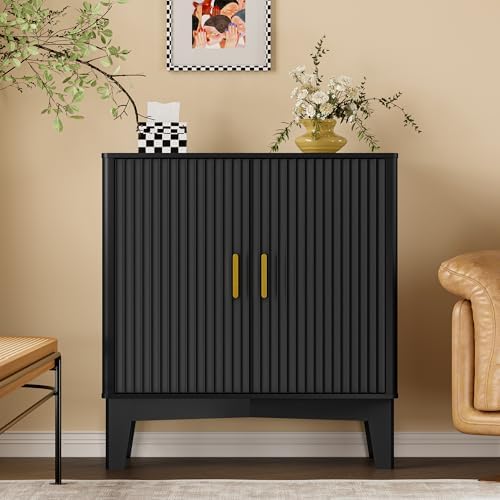
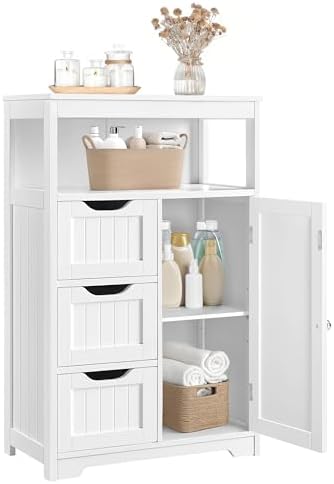
A cupboard is a type of furniture that is commonly used for storage purposes within homes, offices, and various other spaces. At its core, a cupboard is typically a cabinet-like structure that may feature shelves or compartments, doors, and sometimes even drawers, allowing for organized storage of a variety of items. The physical characteristics of cupboards can vary widely, often made from materials such as wood, metal, or composite materials, and they can come in numerous styles ranging from traditional to modern designs.
There are several common types of cupboards, each serving unique functions. For instance, kitchen cupboards are designed for storing food items, cookware, and tableware, contributing significantly to the overall organization of culinary spaces. In contrast, wardrobe cupboards are primarily used for clothing storage, often featuring hanging rods and shelves specifically tailored for garments. Furthermore, utility cupboards and storage cupboards are valued for their versatility, often being employed to organize cleaning supplies, tools, or other miscellaneous household items.
The functionalities of cupboards extend beyond mere storage. They play a crucial role in maintaining an orderly and aesthetically pleasing environment. By providing designated spaces for various items, cupboards help reduce clutter, making areas more navigable and visually appealing. Moreover, the selection of cupboard design can also complement the decor of a room, integrating practicality with style. In workplace settings, cupboards can organize documents and office supplies, enabling a productive work environment. Overall, cupboards are essential elements in enhancing both functionality and organization within any space.

The Historical Evolution of Cupboards
The cupboard, a ubiquitous fixture in contemporary homes, has an intricate history that traces back to ancient civilizations. Initially, cupboards emerged in the form of simple shelves or open storage units used in various cultures, such as the Egyptians and Greeks, who utilized wooden structures to store food, textiles, and other precious belongings. These early designs lacked doors, serving primarily as a means to organize and display household items while ensuring accessibility.
As time progressed, particularly during the Middle Ages, the design of cupboards underwent significant transformation. The incorporation of doors began in this era, likely influenced by the need to protect contents from dust and pests. Cupboards were often elaborately crafted using oak or walnut, reflecting the artistry and woodworking skills of the time. They served dual purposes: as practical storage solutions and as decorative elements central to social gatherings in the home.
The Renaissance period marked a resurgence in cupboard design, coinciding with advancements in furniture making. Craftsmen began to experiment with intricate carvings, inlays, and rich finishes, which became symbolic of wealth and status. As storage needs evolved, so did the functionality of cupboards. By the 17th and 18th centuries, various styles such as tallboys and sideboards emerged, emphasizing aesthetic appeal while catering to changing domestic requirements.
Into the 19th and 20th centuries, the Industrial Revolution introduced mass production techniques that democratized cupboard craftsmanship, allowing a broader range of households to access well-designed units. Modern cupboards range in style from minimalist designs to elaborate traditional pieces, reflecting the cultural significance and regional variations in housing trends. Today, cupboards continue to be integral in interior design, symbolizing both aesthetic choice and practical necessity in organizing living spaces.
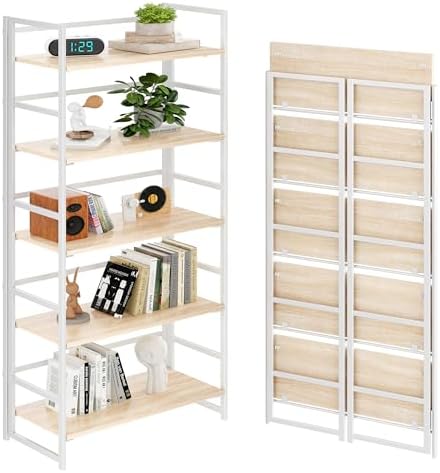
- Hassle-Free Assembly: No tools required, simply unfold and the shelves are ready for use.
- Versatile Design: Vintage-inspired with a multifunctional purpose, perfect for book storage, plant display, or home déco…
- Space-Saving: Foldable construction allows for easy storage when not in use, saving valuable floor space.

- Centerpiece of Room Decoration – These shelves boast a distinctive design and an elegant shape, making them a focal poin…
- Effortless Installation – Installing shelves can often be a daunting task, but we’ve simplified the process with a desig…
- Wood Shelves Maximize Your Wall Space – Our floating shelves are designed to efficiently utilize every inch, adding an a…

- 【SPACE SAVING & LOOK NEATER】 4 pack acrylic shelves for wall provide multi-layer storage, allowing you to utilize wall s…
- 【UNIQUE DECORATION FOR ANY ROOM】 Invisible display shelves for bedroom, living room, bathroom, kitchen can not only disp…
- 【STURDY ACRYLIC FLOATING SHELVES】 Made of thick acrylic, strong and durable enough to hold up to 8.8 lbs when you instal…
Practical Uses of Cupboards in Everyday Life
Cupboards serve a multitude of purposes across various settings in our daily lives, significantly enhancing functionality and organization. In the kitchen, cupboards are essential for storing cookware, utensils, and groceries, allowing for easy access and efficient use of space. They help keep the kitchen tidy and organized, which can improve overall cooking efficiency. Additionally, by grouping items together within specific cupboards, individuals can maintain a streamlined approach to meal preparation.
In the bedroom, wardrobes and cabinets function as cupboards for clothing and personal items. This helps individuals maximize their sleeping quarters by providing ample storage without cluttering the space. The design of these cupboards often allows for both hanging space and shelving, catering to diverse storage needs and preferences. Utilizing cupboards in this way contributes to a more serene living environment.
Moving to the office, cupboards play a crucial role in maintaining a productive workspace. They are utilized to store documents, office supplies, and devices, thereby keeping surfaces clear and enabling better focus on tasks. With the rise of remote work, home offices often integrate cupboards for organization purposes just as effectively as traditional offices do.
Furthermore, cupboards contribute significantly to solutions for organization and storage issues. They come in various designs and materials, catering to different aesthetics and functional requirements. For example, multi-tier cupboards can be beneficial for maximizing vertical space in smaller areas, offering more storage without compromising floor space. This versatility makes cupboards invaluable tools for improving order in both private and professional environments, ensuring that essential items are readily accessible while also preserving a clean appearance.


Vision in Content Writing and Illustration
The concept of ‘vision’ in content writing transcends mere communication; it is an intricate blend of narrative and imagery that coalesces to create an enriched reader experience. Vision encompasses not only the words on the page but also the underlying purpose and emotional resonance they encapsulate. Effective content writing demands that authors harness this vision, utilizing storytelling techniques to convey messages that resonate with audiences and foster comprehension.
Illuminating text through visual elements, such as images, infographics, and videos, plays a pivotal role in enhancing understanding and engagement. Each visual component serves as a supplementary medium through which complex ideas can be distilled, presenting them in a manner that is both accessible and appealing. For instance, an infographic can effectively break down statistical information, making it easier for readers to grasp key concepts at a glance, thereby supporting the written narrative.
The synergy between text and illustrations amplifies the impact of the content, ensuring that it is not only informative but also evocative. Readers often process visual information much more swiftly than text, meaning that well-chosen imagery can highlight crucial points, evoke emotional responses, and reinforce the narrative being presented. As readers delve deeper into the text, these visual cues can guide their interaction with the material, helping to create a seamless understanding of the subject at hand.
Ultimately, the integration of strong visuals into content writing fosters a holistic approach that enhances reader engagement. By appreciating the communicated ideas through the lens of storytelling and illustration, writers can cultivate an immersive experience that speaks to the multifaceted nature of human cognition. Consequently, this drives not only retention but also encourages sharing, thereby amplifying the reach and effectiveness of the content produced.